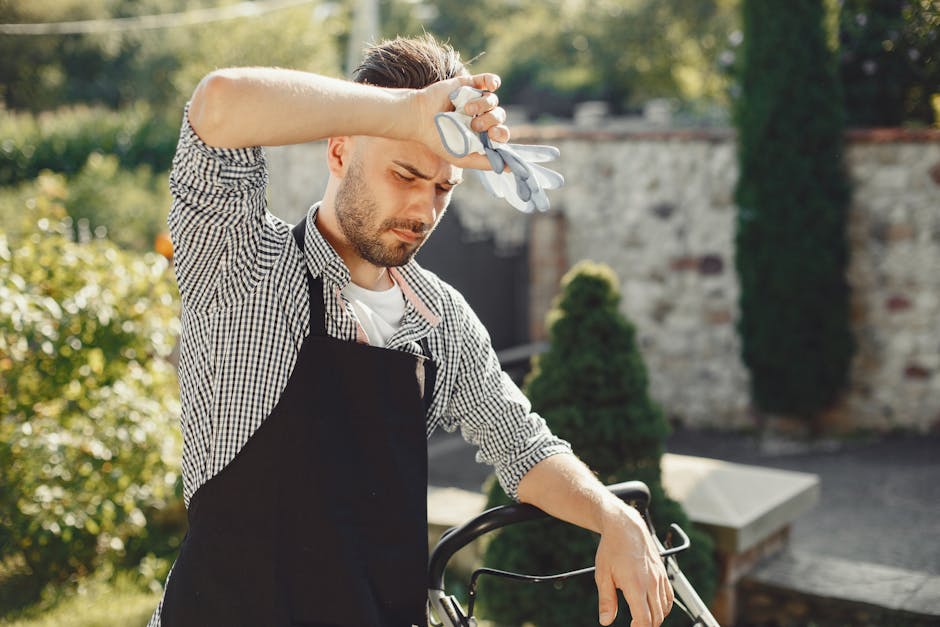
Hire reliable gardeners in Ham for same day garden rescue
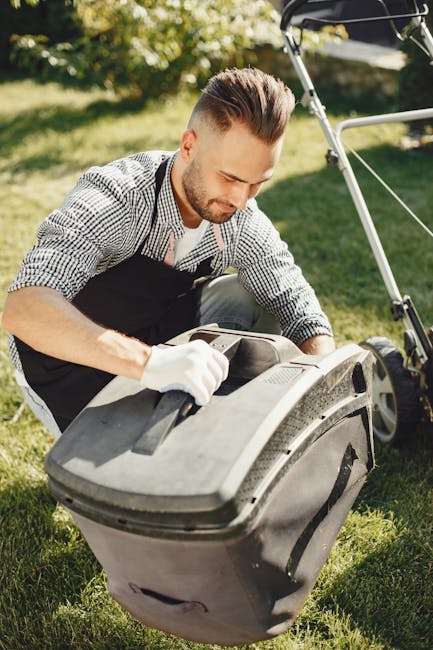
If your garden has gone from "a bit untidy" to "how did it get this bad?" in a matter of days, you are not alone. Weather, weeds, falling leaves, broken branches, and plain old busy life can turn a tidy outdoor space into a messy one very quickly. That is exactly where Hire reliable gardeners in Ham for same day garden rescue comes in. It is the practical answer when you need a local team to step in fast, steady the situation, and get your garden back to something usable, safer, and much less stressful.
Same day garden rescue is not about a perfect dream redesign. It is about urgent, sensible, skilled work: clearing, cutting back, mowing, pruning, tidying, removing hazards, and restoring order before the problem gets worse. If you need quick help and you want it done properly, this guide will show you how the process works, what to expect, how to judge reliability, and what makes a real difference on the day.
For anyone comparing options, the big question is simple: who can arrive, understand the issue, and fix the right things without turning a rescue visit into a drawn-out project? Let's break that down.
Why same day garden rescue matters
A neglected garden is rarely just a cosmetic issue. In real life, it can become awkward to use, harder to maintain, and sometimes less safe. Overgrown paths get slippery. A fallen branch blocks access. Weeds start spreading into beds. Hedge growth gets out of hand. The whole place can begin to feel a bit like a chore every time you look out the window.
That is why fast, reliable help matters. A same day visit gives you a quick reset when time is short and the garden needs immediate attention. Perhaps you have visitors arriving, a tenancy inspection due, or a family event planned for the weekend. Or maybe the garden is just quietly bothering you every time you walk past the back door. Fair enough. It wears you down.
In Ham, gardens can vary a lot in shape, size, shade, exposure, and access. Some are compact and easy to manage but have become tangled. Others have mature planting that has simply grown too enthusiastic. A good rescue gardener understands how to prioritise quickly: what must be cut back now, what should be left alone, and what can wait for a planned follow-up. That judgment is the difference between a tidy-up and a proper rescue.
Expert summary: same day garden rescue is most valuable when the problem is time-sensitive, safety-related, or emotionally draining. It is less about perfection and more about restoring control. If you need dependable help in a hurry, start by looking for a team that can assess, act, and leave the garden in a better state without making a mess of the process.
For broader ongoing support after an emergency tidy-up, many homeowners later choose garden maintenance so the same problem does not creep back in.
How same day garden rescue works
The process is usually straightforward, which is exactly what you want when the garden needs attention quickly. A reliable team will first ask what is going on, what size the area is, and what needs fixing today. They may ask for photos or a brief description so they can bring the right tools and enough time.
On arrival, the gardener will normally inspect the area, confirm priorities, and get on with the most urgent tasks first. That might mean lawn mowing, hedge trimming, weed clearance, border tidying, leaf removal, pruning, green waste collection, patio clearing, or a general surface-level reset. If you are unsure what counts as urgent, the answer is usually simple: anything affecting access, safety, or use of the space.
Same day jobs are often more efficient when the brief is clear. If you say, "The front path is blocked, the back beds are overgrown, and I need the patio usable tonight," that is much more helpful than a vague "the garden is a bit of a state." Both are honest, of course, but one lets the gardener prepare properly. To be fair, people do often understate the chaos.
A good team will also explain what they can complete within the visit and what may need a return appointment. That honesty is a sign of reliability, not a limitation. In fact, it often saves disappointment later.
Key benefits and practical advantages
There are several reasons people choose rapid local help instead of trying to wrestle with an overgrown garden alone after work or at the weekend.
- Speed: same day help means less time living with the mess and less chance of the problem spreading.
- Safety: overgrown paths, unstable branches, broken edging, or hidden debris can be dealt with before someone trips or gets hurt.
- Better first impression: if you are selling, renting, hosting, or simply want the place to look cared for, a quick rescue makes a big difference.
- Less overwhelm: a messy garden can feel mentally heavy. A clean-up changes that fast. You can almost feel the shoulders drop a little.
- More effective next steps: once the space is cleared, longer-term work like landscaping, lawn care, or hedge shaping becomes much easier to plan.
There is also the practical benefit of not having to buy tools you may only use once or twice. A proper rescue crew arrives ready, with the right cutting gear, clearance equipment, and disposal setup. If you are just getting started with gardening or only handle the basics, the difference is huge. A useful companion read is top picks for gardening tools every fan needs, especially if you want to understand what good equipment looks like.
And if the rescue visit exposes another issue, such as a difficult hedge line or an awkward boundary, you can often follow up with targeted work like hedge trimming in Ham.
Who this is for and when it makes sense
Same day garden rescue is not only for emergencies in the dramatic sense. It is for anyone who needs fast, competent help before a small problem becomes a bigger one.
This service makes sense if you are:
- a homeowner with an unexpectedly overgrown garden before guests arrive
- a landlord or tenant needing a quick reset before an inspection
- an older resident who can usually manage light work but cannot safely tackle heavy clearance
- a busy family who has let the garden slip during a hectic few weeks
- a new homeowner discovering that the "easy to maintain" garden was, in fact, a fib
- someone preparing for a special event, property viewing, or photoshoot
It can also be a smart move after stormy weather, when branches, leaves, and debris have scattered everywhere. If severe weather is becoming a pattern, it is worth reading about building resilience in your garden against severe weather so you are not constantly cleaning up the same type of damage.
There are times when a rescue call is genuinely the best choice. If a hedge has started swallowing a path, if a lawn has become ankle-high, or if the patio is hidden under grime and debris, a fast professional visit often costs less in time, stress, and repeat effort than trying to tackle it in bits and pieces.
Step-by-step guidance
1. Define the problem clearly
Before you book, list the top issues. Is it the lawn, the hedges, the borders, the paving, the driveway edge, or the entire garden? The clearer you are, the better the result. If possible, take a few photos in daylight. Morning light is best, oddly enough; it shows up the real condition rather than hiding it under evening shadow.
2. Decide what matters today
Same day rescue works best when you prioritise. Ask yourself: what must be done now for the garden to be safe, usable, or presentable? Everything else can be a follow-up. That mindset prevents the job from turning into a wish list no one can complete in one visit.
3. Choose a reliable local team
Look for a gardener who communicates clearly, turns up when expected, and explains what is included. Reliability is not just about skill. It is about being realistic, punctual, and tidy. You want someone who knows when to cut back, when to leave healthy growth alone, and when a bigger job needs separate planning. If you want to read more about the people behind the service, the about us page is a sensible place to start.
4. Ask about access and waste handling
Can the team reach the back garden easily? Is there a side gate? Do you need parking space nearby? These small details matter more than people think. Also ask how green waste will be handled. A proper rescue service should explain whether removal is included or arranged separately.
5. Let the team work to a clean priority list
Once the gardener arrives, let them handle the order of work. They may know a better sequence than you do. For example, cutting back a hedge before clearing the path can save time and reduce mess. Or mowing first may expose hidden debris that should be removed before the final tidy-up. Little things, but they add up.
6. Check the outcome before they leave
Walk through the space together if you can. Make sure access routes are clear, sharp debris has been collected, and the finished result matches the brief. This is not about nitpicking; it is about making sure the rescue job genuinely solved the problem.
Expert tips for better results
There are a few simple things that make a same day rescue go much more smoothly.
- Send photos early. A quick image of the lawn, hedge line, or patio can help the gardener arrive prepared.
- Be honest about the scale. If the garden is very overgrown, say so. Nobody benefits from pretending it is just "a bit wild."
- Separate urgent from nice-to-have. A rescue visit is not the moment for redesign. Keep the brief tight.
- Leave room for follow-up. A really good result often comes from a rescue visit first, then a maintenance plan later.
- Think seasonally. In spring and early summer, growth can be fast and deceptive; in autumn, leaf clearance and damp surfaces become the bigger headache.
One small but useful insight: if you know certain parts of the garden always flare up, such as a hedge boundary, a weed-prone path, or a shady bed, mention that specifically. The gardener can spend time where it matters most instead of just making everything look equally tidy, which sounds good but does not always solve the actual problem.
For anyone who likes a tidier, more structured look after rescue work, the guide on hedge trimming shapes offers a neat follow-on idea. And if the main issue is weeds, the article on maintaining a weed-free oasis is worth keeping handy.
Common mistakes to avoid
People often make the same few errors when trying to get fast garden help. They are easy to avoid, thankfully.
- Being vague about the job. "General tidy" can mean very different things to different people.
- Expecting full redesign in one visit. Same day rescue is usually about restoration, not transformation.
- Ignoring access issues. If the garden is hard to reach, mention gates, parking, stairs, or narrow entrances before the visit.
- Choosing only on speed. Fast is good, but reliability matters more than a rushed promise.
- Forgetting follow-up maintenance. If a garden has gone out of control once, it can easily happen again unless the root cause is addressed.
A very common one, and this makes gardeners sigh a little, is asking for a tiny quote over the phone without describing the work properly. The price and the time needed usually depend on what the site actually looks like. Honest detail gets you a better result. Simple as that.
Tools, resources and recommendations
Reliable gardeners do not turn up with guesswork. They arrive with equipment matched to the job. For a rescue visit, that may include lawn mowers, hedge trimmers, secateurs, pruning saws, edging tools, blowers, wheelbarrows, rakes, and protective gear. The right combination depends on the condition of the garden and the surfaces involved.
If you are the type of homeowner who likes to understand what is being used on your property, it helps to know the rough purpose of each tool:
| Tool or resource | Typical use in a rescue visit | Why it matters |
|---|---|---|
| Hedge trimmer | Reducing dense hedge growth | Creates access and restores shape quickly |
| Secateurs | Snipping smaller stems and dead growth | Useful for tidy finishing work |
| Pruning saw | Removing thicker woody stems | Helps when growth is more stubborn than expected |
| Lawn mower | Cutting back overgrown grass | Transforms the space fast and improves access |
| Rake and blower | Gathering leaves, clippings, and debris | Leaves the result cleaner and safer |
| Green waste bags or collection method | Managing cut material | Stops the garden looking half-finished |
On the planning side, the most useful resources are not fancy. They are the basics: a clear brief, a few photos, access instructions, and realistic expectations. If you are moving beyond rescue mode, service pages such as gardening services, lawn mowing, lawn care, and patio cleaning can help you shape the next phase.
For inspiration between jobs, a few of the site's guides are genuinely useful. Try bring order to your chaotic garden with simple remedies if the space feels overwhelming, or how to design stunning container gardens if you want easier, more contained planting.
Law, compliance and best practice
For most homeowners, the main concern is not legal complexity but making sure the work is carried out safely and responsibly. A professional gardener should use sensible site safety habits, careful handling of tools, and appropriate protective equipment. If work involves ladders, powered cutting equipment, waste movement, or awkward access, those details matter.
Best practice in the UK usually means checking that the contractor has appropriate insurance, follows a clear health and safety approach, and communicates any risks before work begins. It is also wise to ask how waste is managed and whether any materials need special handling. That is especially relevant if there are old fence panels, rotten timber, or thorny cuttings to remove.
If you want reassurance before booking, read the site's health and safety policy and insurance and safety information. Those pages help set expectations in plain English. For service terms and payments, the pages on terms and conditions and payment and security are also sensible reference points.
There is another practical point here: if the job touches major structural work, tree work, or fencing repair, the task may shift beyond a simple tidy-up. In that case, you may need a more specific service, such as tree surgery or fencing. Better to separate those jobs properly than force everything into one hurried visit.
Options, methods and comparison
Not every garden problem needs the same response. Sometimes rescue is the right first step. Sometimes a more planned service is better. Here is a simple comparison.
| Option | Best for | Strengths | Limitations |
|---|---|---|---|
| Same day garden rescue | Urgent overgrowth, blocked access, quick tidy-ups | Fast, practical, reduces stress | Usually focused on essentials, not full redesign |
| Planned garden maintenance | Regular upkeep and ongoing control | Keeps the space manageable over time | Not ideal for immediate problems |
| Single-task service like lawn mowing | One clear issue, such as grass that has shot up | Efficient and targeted | May not address wider mess or debris |
| Broader landscaping | Layout changes, reshaping, long-term improvements | Transforms the garden | Takes more planning and is not usually same day work |
If the problem is mostly seasonal clutter, a rescue visit plus a maintenance plan often works best. If the garden is structurally awkward, over-shaded, or hard to manage, a longer-term strategy can be more sensible. That is where good advice matters more than a one-size-fits-all pitch.
For people dealing with awkward shady corners, the guides on evergreen climbers for shade and thriving ground covers for a lush UK garden experience can help reduce future bare patches and messy regrowth. And if you are trying to tame an ivy takeover, solutions for a life without ivy is a very practical read.
Case study or real-world example
A typical rescue job in Ham might look like this. A homeowner returns after a few weeks away and finds the rear garden has become crowded with long grass, spreading weeds, and hedge growth leaning into the path. The patio is usable, but only just. There is a family gathering planned for the next evening. Panic starts to creep in. Understandably.
The gardener arrives, checks access, and splits the work into priorities: clear the path first, reduce the hedge enough to regain width, mow the lawn, remove debris, and tidy the patio edge last. The result is not a landscaped showcase. It is better than that, in a way, because the space becomes usable again. You can walk through it, sit in it, and stop apologising for it.
What made the difference was not magic. It was the sequence. The gardener did not waste time on low-value details while the main problem remained. They tackled the mess in the right order, then left the space in a condition that could be enjoyed straight away.
That is the real value of a reliable rescue service. Not drama. Just steady, competent work when you need it.
Practical checklist
Use this checklist before you book:
- Identify the main problem areas in the garden
- Take clear photos in daylight if possible
- Note any access issues, parking needs, or locked gates
- Decide what must be done today and what can wait
- Ask whether waste removal is included
- Check how the team handles insurance and safety
- Confirm the expected arrival time and job scope
- Ask about follow-up maintenance if the garden needs ongoing care
- Make sure pets and children are kept clear of the work area
- Walk through the finished job before the team leaves
If you like a more family-friendly or pet-aware garden setup after the rescue, the guides on child-safe garden design and creating a dog-loving green space can help you plan a calmer space for everyday life.
Get a free quote today and see how much you can save.
Conclusion
If your garden in Ham needs quick, reliable attention, same day rescue is one of the smartest ways to regain control without delaying the problem another week. It is ideal for overgrowth, messy borders, blocked paths, storm debris, and those awkward situations where the garden has slipped beyond what you can realistically handle in one go.
The best results come from clear communication, practical priorities, and a gardener who understands how to restore order without overcomplicating the job. Start with the urgent issues, tidy the space properly, and then think about maintenance if you want the results to last. That simple approach saves time and reduces stress, which is no small thing on a busy week.
If you are ready to bring the garden back under control, choose a local team that is responsive, careful, and straightforward. A good rescue visit can change the whole feel of a home. The air seems lighter. The space makes sense again. And, truth be told, that is a lovely feeling.
Frequently Asked Questions
What does same day garden rescue usually include?
It usually covers urgent tidy-up work such as mowing, hedge cutting, weed removal, debris clearance, pruning, and restoring access. The exact list depends on the state of the garden and the time available.
Can reliable gardeners in Ham really come out on the same day?
Often, yes, if they have availability and the job details are clear. Same day visits work best when you explain the problem early and share photos so the team can prepare properly.
Is same day garden rescue only for emergencies?
No. It is also useful before visitors arrive, after a holiday, ahead of a property viewing, or whenever the garden has become too messy to ignore. Urgent does not have to mean dramatic.
How do I know if a gardener is reliable?
Look for clear communication, realistic timing, transparent pricing, and a sensible explanation of what can be completed in one visit. Reliability shows up in the small things, not just the big promises.
Will a same day visit fix a badly overgrown garden completely?
Not always. A rescue job often restores safety and order first, then a follow-up visit handles finer detail. If the garden is very overgrown, that is usually the most practical approach.
What should I send before the gardener arrives?
A short description, a few photos, access notes, and any specific priorities. Mention anything awkward, such as narrow side access, pets, or parking restrictions. That information saves time on the day.
Does garden rescue include waste removal?
Sometimes it does, sometimes it does not. Always check in advance. Waste handling is one of those details that sounds small until you are left with a pile of clippings and nowhere to put them.
Is it better to choose garden maintenance instead of a rescue visit?
If the garden is already under control, maintenance is usually the better long-term choice. If the space has suddenly got out of hand or needs urgent attention, rescue first and maintenance afterwards is often the smarter route.
What if my garden also needs hedge trimming or tree work?
Hedge trimming may be handled during a rescue visit if it is straightforward, but larger branch work or anything more technical may need a dedicated service. For major tree issues, specialist support is usually the safer option.
How should I prepare for a same day gardener visit?
Clear access where possible, move fragile items, secure pets, and decide what matters most. If the gardener can get straight to work, you will usually get better value from the visit.
Are same day gardening services good value?
They often are when speed matters. You are paying for quick response, skilled labour, and a practical solution that stops the problem growing larger. If the garden is causing stress, that value is pretty easy to feel.
What should I do after the rescue work is finished?
Take a quick walk around the garden, check that the main issues are resolved, and ask for advice on keeping it under control. If needed, book a maintenance plan so the garden does not drift back to square one.